Whether you keep a few houseplants on a windowsill or you are slowly turning your apartment into a jungle, the same fundamentals decide whether your garden thrives: light, water, soil, and consistency. This guide distills what the Leafy team recommends for everyday plant care—and how an AI gardening assistant can help you notice problems before leaves start to crisp or droop.
Start with the right light
Plants do not read labels; they respond to photons. A spot that feels bright to you may still be “low light” for a fiddle-leaf fig, while a south-facing sill can scorch a delicate fern. When you move a plant, change only one variable at a time and watch for a week: new growth angling toward the window, bleached patches, or stretching stems all tell a story.
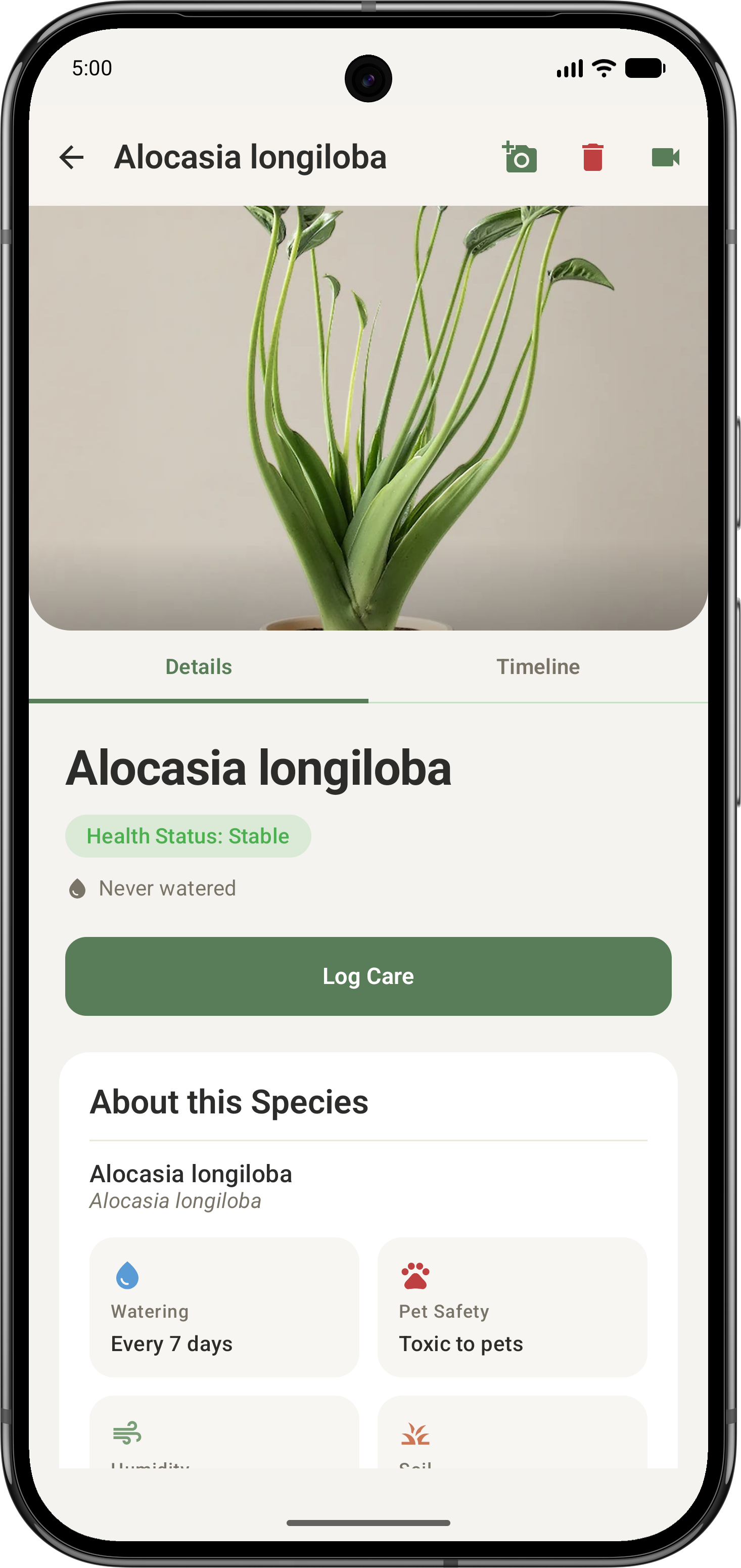
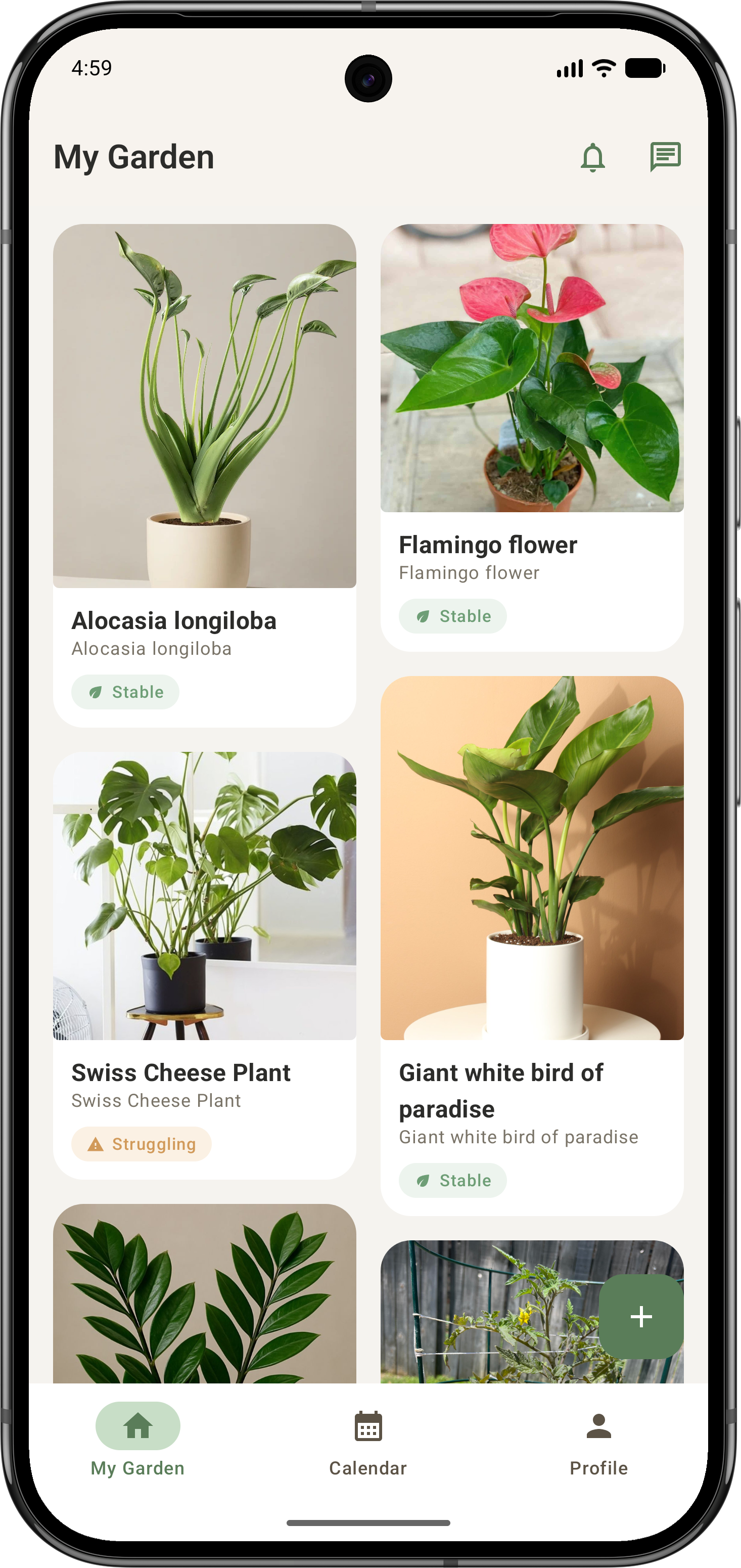
If you are unsure what you are growing, identify it first (species changes the light playbook). Tools like Leafy combine plant identification with care context so you are not guessing from a generic houseplant list.
Water on signals, not autopilot
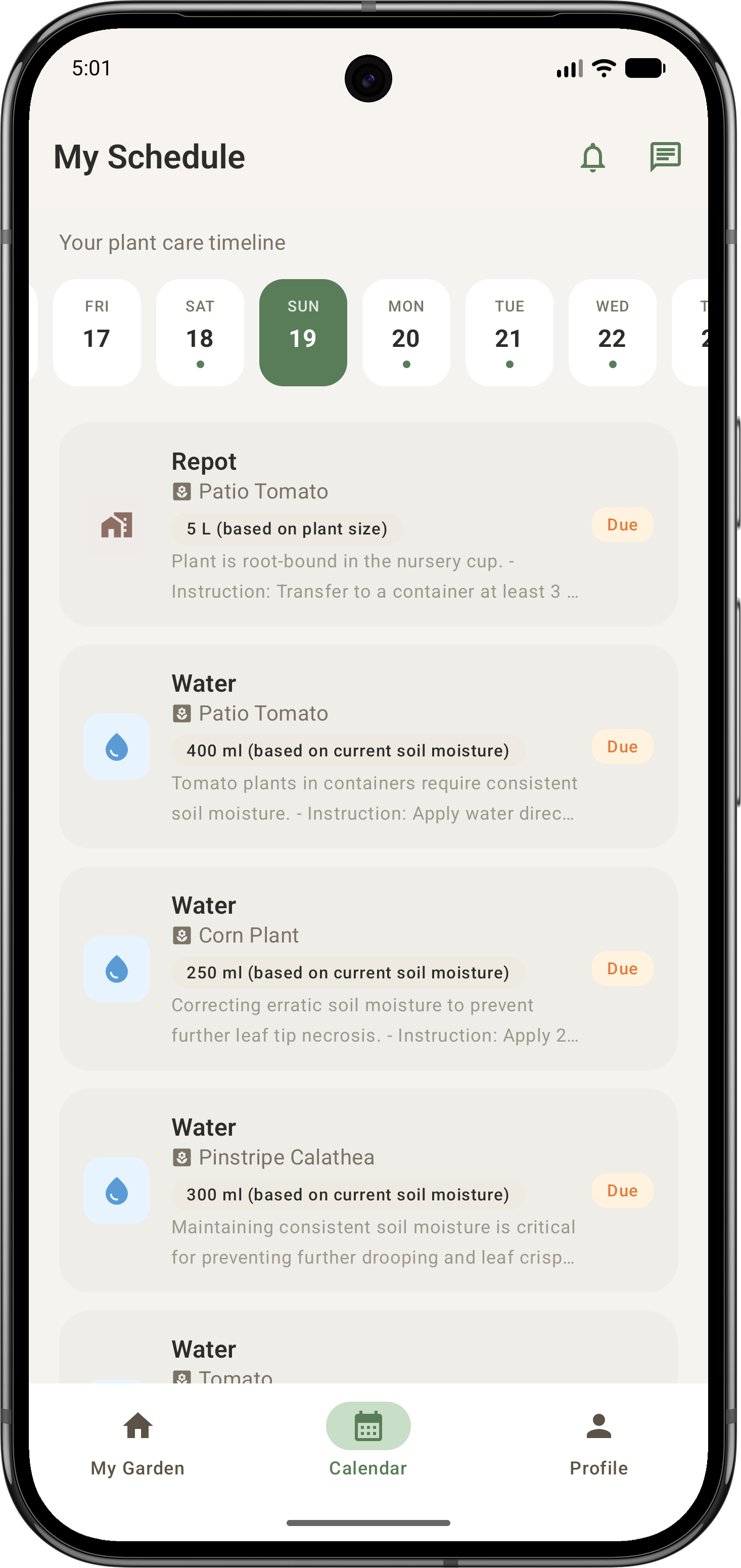
Calendar watering works until the weather, humidity, or root mass changes. For most indoor plants, the safer habit is simple: check the soil (knuckle-deep), feel the pot weight, and look at leaf turgor. When in doubt, underwatering is easier to correct than root rot—especially in dense potting mixes that hold moisture a long time.
- Drainage: saucers are fine; standing water in the bottom of a decorative outer pot is not.
- Seasonality: many plants slow down in winter and drink less even if the “app reminder” says Tuesday.
- Consistency: if you do adjust a schedule, move it gradually rather than flooding after a dry spell.
Soil, roots, and repotting
Healthy roots look firm and pale; dark mushy sections usually mean too much water or poor aeration. If water races straight through the pot seconds after pouring, you may have hydrophobic peat or a root ball that separated from the outer soil—both deserve a closer look. Repot when the plant is visibly root-bound or the medium has broken down—typically every 12–24 months for many houseplants, faster for vigorous growers.
When something looks “off”
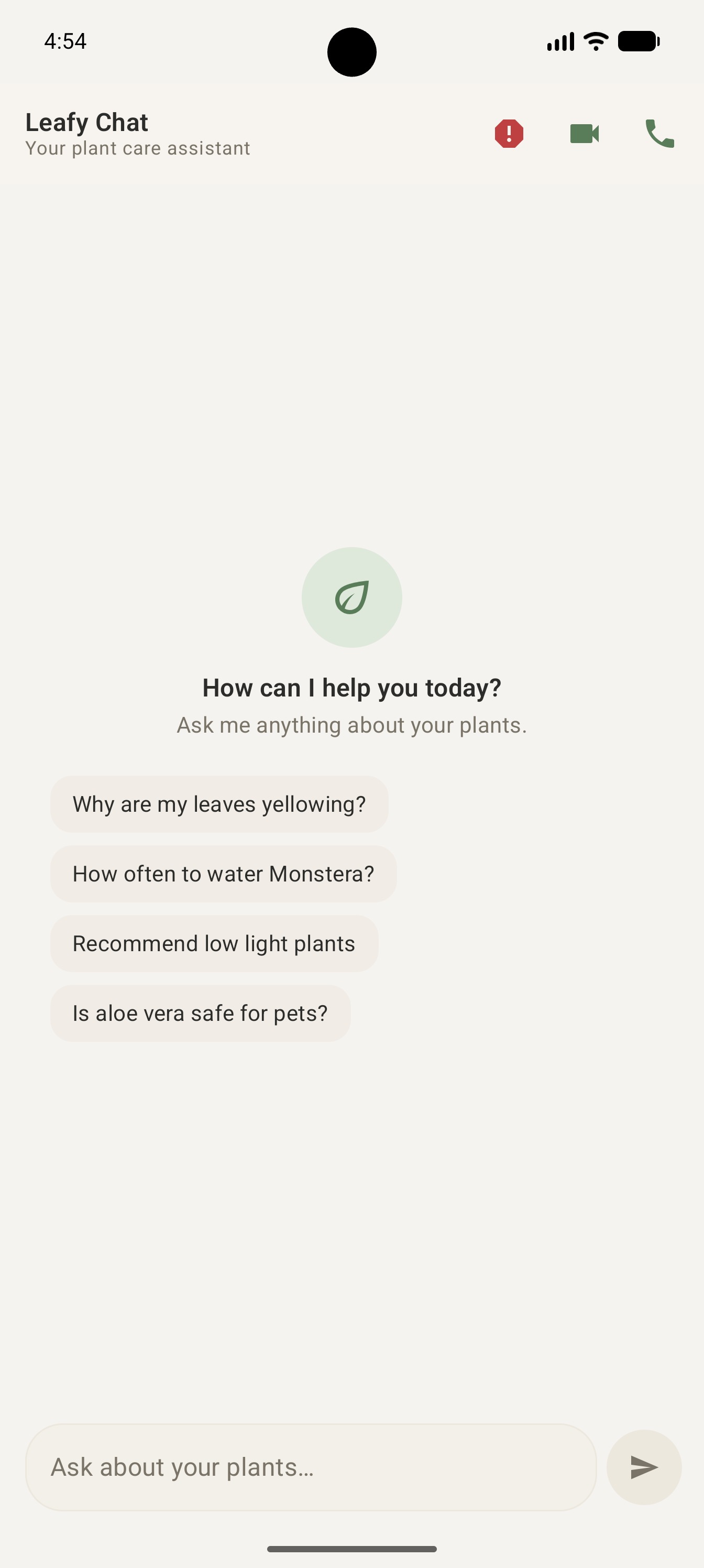
Yellow leaves, brown tips, sudden drops, and sticky residue can each have multiple causes—pests, minerals, drafts, or a watering pattern that slowly drifted wrong. Photos help: capture sharp, natural-light shots of both sides of the leaf and the soil surface. If you use Leafy, you can also start a voice or video session to talk through symptoms while showing the plant—useful when text alone is not enough.

Build a routine you will actually keep
The best gardening routine is the one you repeat. Small weekly check-ins beat occasional marathons: rotate plants, dust leaves, scan for pests, and note one sentence per plant (“new leaf unfurling”, “edges crisping”). Over time, those notes become the difference between reactive rescue and steady improvement.
Next steps
If you want Leafy to help with reminders, identification, and AI-guided check-ins, download the app on Google Play and explore Leafy pricing on our site. For account questions or payments, see the FAQ—subscriptions are handled in-app through Google Play.