We often think of our houseplants as a peaceful, silent community harmoniously sharing windowsill space. But just beneath the soil, an aggressive battle for territory, nutrients, and light is raging. This invisible conflict is known as allelopathy—a natural phenomenon where plants produce biochemicals that influence the growth, survival, and reproduction of other organisms around them. In short: some of your favorite plants are active saboteurs, releasing chemical toxins to starve or conquer their neighbors.
The silent assassins on your windowsill
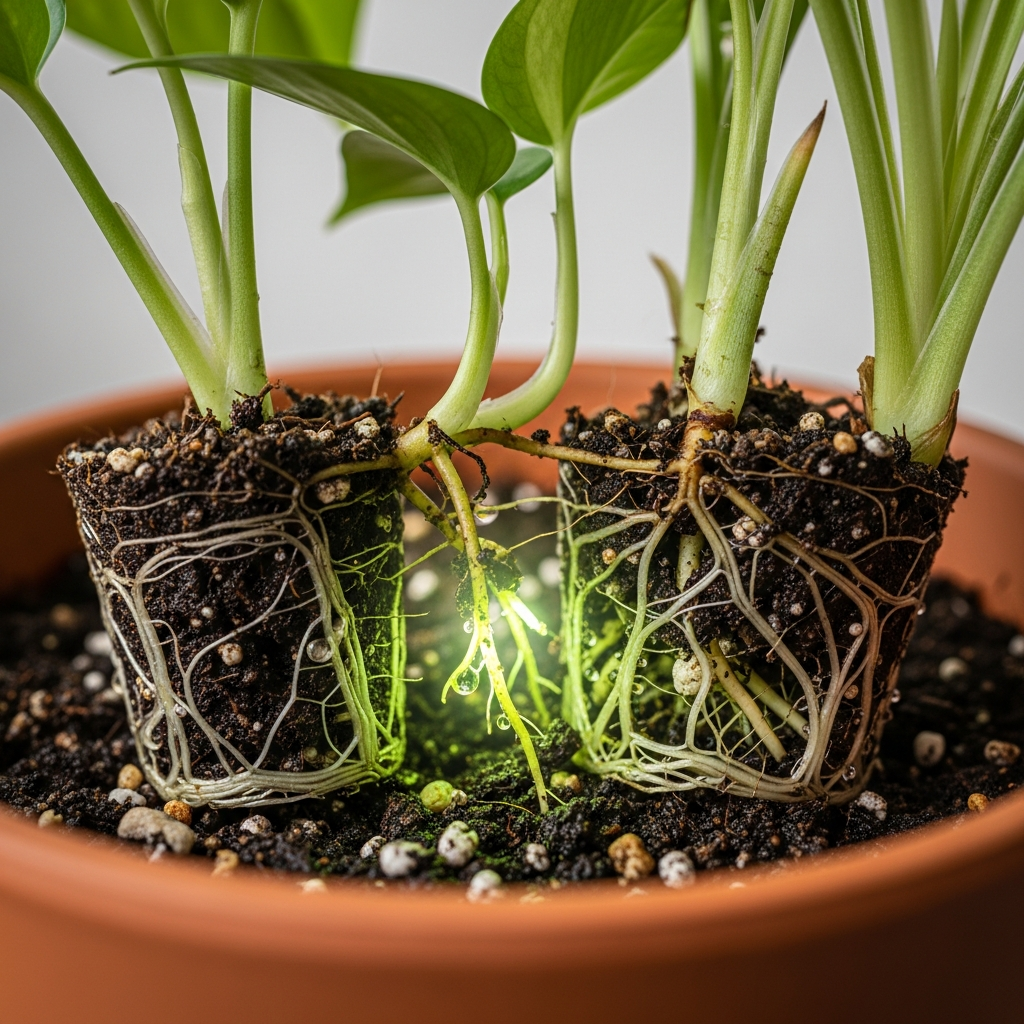
If you've ever grouped several plants into a single large container or styled a tight "indoor jungle" shelf, only to watch one species mysteriously wither while the other thrives, you may have witnessed allelopathy in action. Unlike resource competition (where plants simply drink water faster), allelopathic plants actively deploy chemical inhibitors via their roots, leaf drops, or volatile organic compounds (VOCs) in the air.
Here are some of the most common and surprising chemical combatants:
- Eucalyptus: Famous for releasing chemical compounds from leaf litter that severely hinder seed germination and root elongation in nearby plants.
- Ficus Benjamina (Weeping Fig): Releases root exudates that can stunt the root development of smaller, delicate understory plants sharing the same pot.
- Certain Ferns: Some species release toxic spores or chemicals into the surrounding soil to prevent competing weed or seedling growth, securing all the light for themselves.
How to spot a soil feud
It can be difficult to distinguish chemical warfare from standard care issues like underwatering or low light. However, if you notice the following signs, your plants might be feuding:
- Asymmetrical wilting: A plant only wilts or drops leaves on the side facing its pot-mate.
- Sudden stunting: A healthy plant completely stops growing after being potted with or placed adjacent to another specific plant.
- Unexplained yellowing: Leaves turn yellow or show nutrient deficiency even though the soil is freshly fertilized and watered correctly.
Rules of engagement: How to keep the peace
You don’t have to get rid of your favorite plants; you just need to manage their boundaries. Here is how the Leafy team recommends keeping the peace:
1. Separate pots, shared trays: The easiest way to avoid root-level allelopathy is to keep plants in individual plastic nursery pots. You can still group them close together in a larger decorative planter or trough to get that lush, full look without their roots touching.
2. Regular soil flushing: If you do have plants sharing soil, leach the potting mix regularly by watering thoroughly until water runs freely out of the drainage holes. This helps wash away accumulated root exudates and chemical build-ups.
3. Research compatibility: Before planting mixed arrangements, understand each species' biological traits. If you are unsure what plants you are grouping together, use Leafy plant identification to instantly identify both species and check their compatibility profiles.
Let Leafy keep watch
Keeping track of chemical compatibility, lighting requirements, and watering schedules for dozens of houseplants can get overwhelming. With Leafy, you can scan your plants to identify them, organize them into virtual rooms, and receive alerts if you’ve grouped incompatible "frenz" too close together.
Download Leafy on Google Play today and turn your silent windowsill battles into a peaceful, thriving garden.