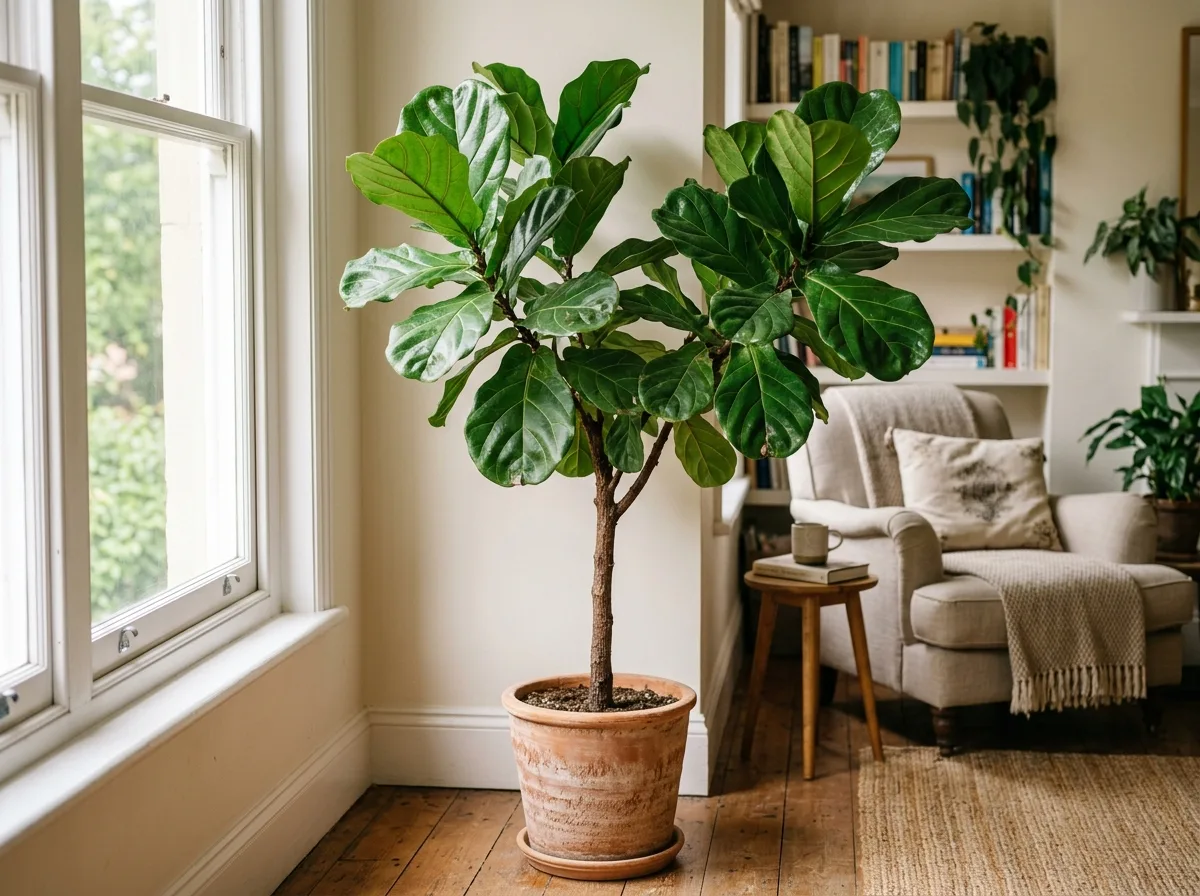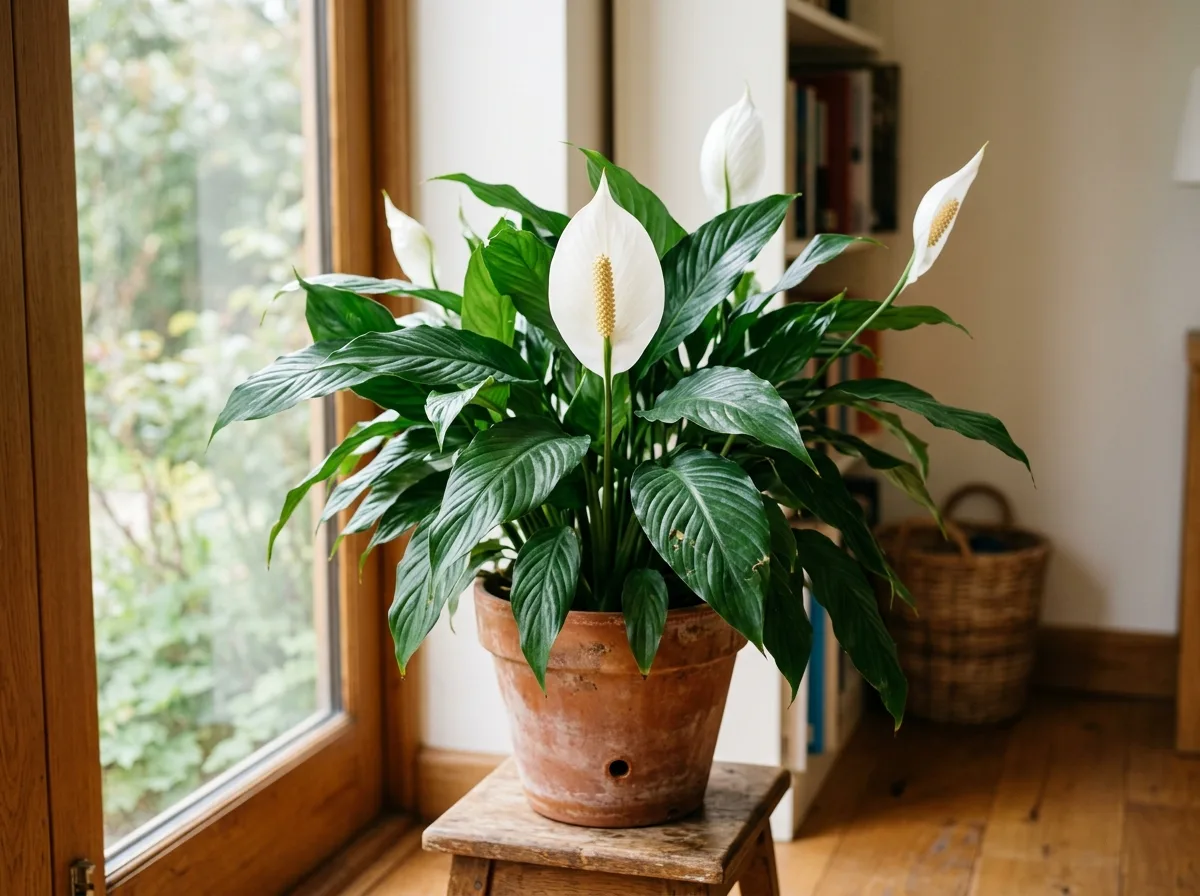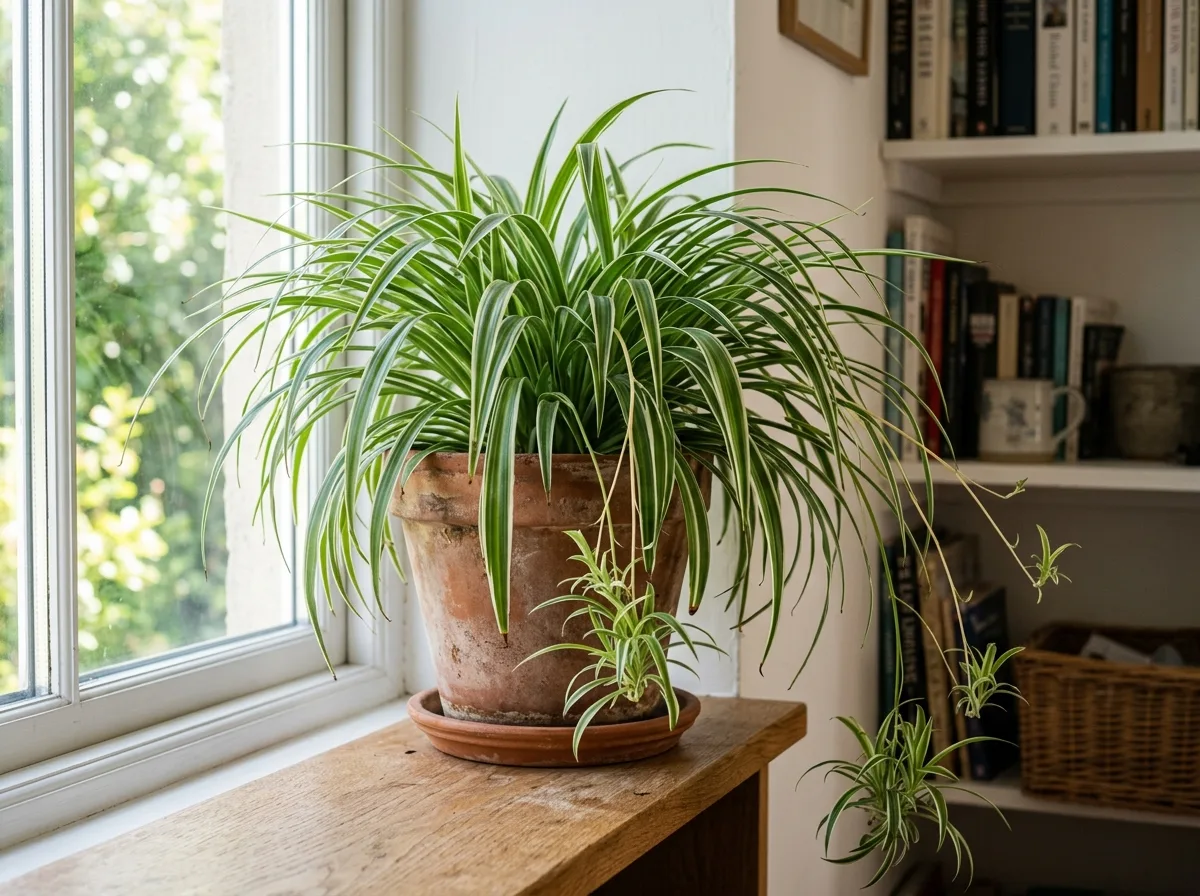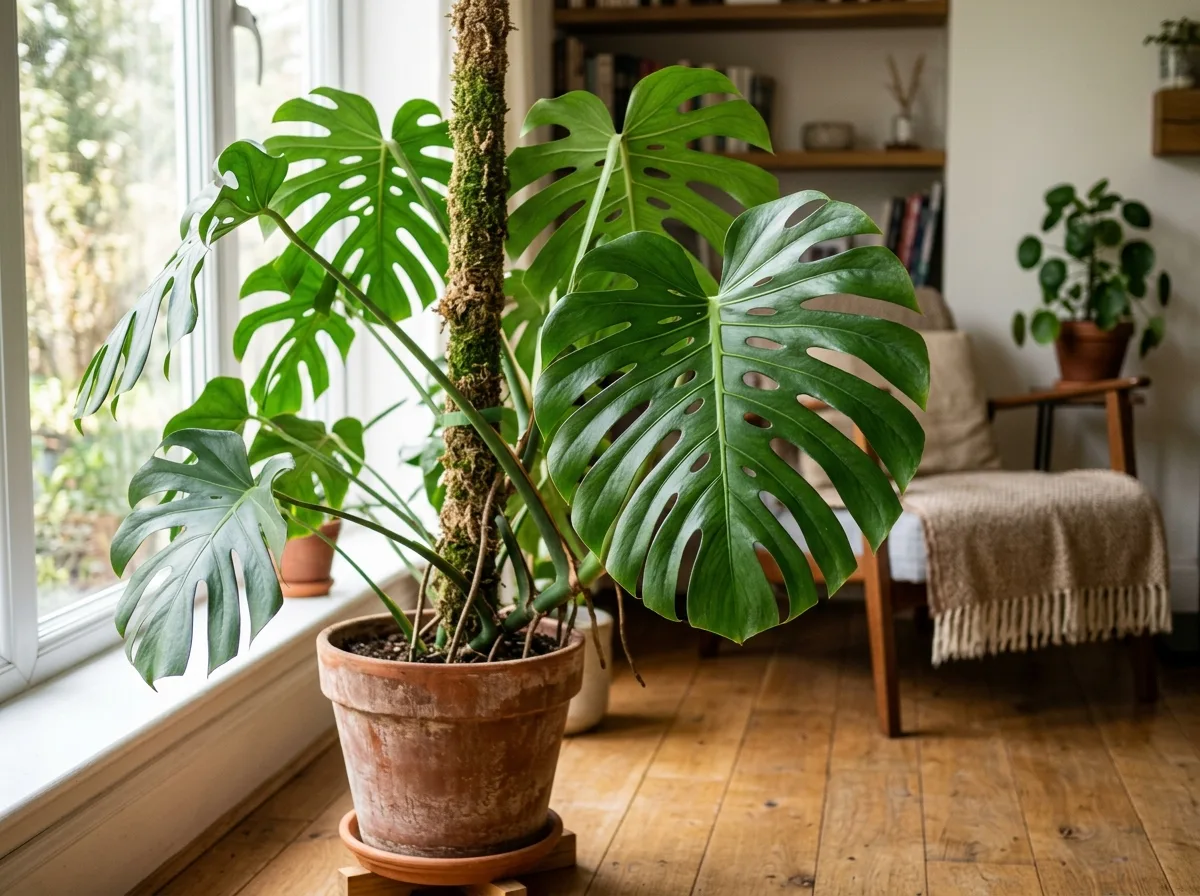
With its iconic fenestrated leaves and dramatic presence, the Monstera Deliciosa (Swiss Cheese Plant) is the ultimate indoor statement plant. Here is how to keep yours thriving. Custom watering schedule
Light & Window Placement (400–1,000 FC (4,300–10,700 Lux))
Bright, indirect sunlight (400–1,000 foot-candles). Avoid harsh direct afternoon sun, which scorches foliage. Tolerates medium light, though growth slows and new leaves produce fewer fenestrations.
Watering Schedule & Technique
Water thoroughly every 7–10 days when the top 2–3 inches of soil dry completely. Always empty excess water from saucers within 15 minutes to prevent root rot.
Potting Soil Mix & pH (5.5–7.0 (Slightly acidic to neutral))
Well-aerated chunky aroid mix: 40% coco coir or peat, 30% pine/orchid bark, 20% perlite or pumice, and 10% worm castings.
Fertilizer & Feeding
Feed monthly during spring and summer with a balanced liquid fertilizer (e.g., 3-1-2 or 10-10-10) diluted to half strength.
Temperature & Humidity
Thrives in 50%–70% relative humidity. Group with other tropical plants or run a cool-mist humidifier during winter heating.
Propagation
Take a stem cutting just below a node with at least one aerial root and 1–2 leaves. Root in clean water or damp sphagnum moss for 3–5 weeks until secondary roots reach 2 inches.
Pet Toxicity (Cats & Dogs)
Toxic to cats and dogs (insoluble calcium oxalate crystals cause oral irritation). Full cat & dog toxicity profile
Track Monstera Deliciosa Care in Leafy for Android
Watering reminders and live camera troubleshooting on your phone.
- Scan leaves to instantly diagnose brown spots, thrips, or root stress
- Receive climate-adjusted watering alerts tailored to your room humidity
- Track new leaf unfurling and fenestration progress with photo timelines
- Start a live AI video call to inspect aerial roots and moss pole placement

Common Problems & Fixes
Yellowing lower leaves
Primary cause: Overwatering, compacted soil, or poor pot drainage.
How to fix: Allow top 3 inches of soil to dry out, verify drainage holes are clear, and trim dark mushy roots.
Brown, crispy leaf edges
Primary cause: Low indoor humidity (<35%) or inconsistent watering.
How to fix: Raise ambient humidity with a humidifier and water deeply whenever the top third of the pot dries.
No slits or holes (fenestrations) in new leaves
Primary cause: Insufficient light intensity or juvenile plant maturity.
How to fix: Move within 3–5 feet of a bright east or filtered south/west window and provide a moss pole for climbing.